
Bolting in Lettuce and Greens: How to Delay It
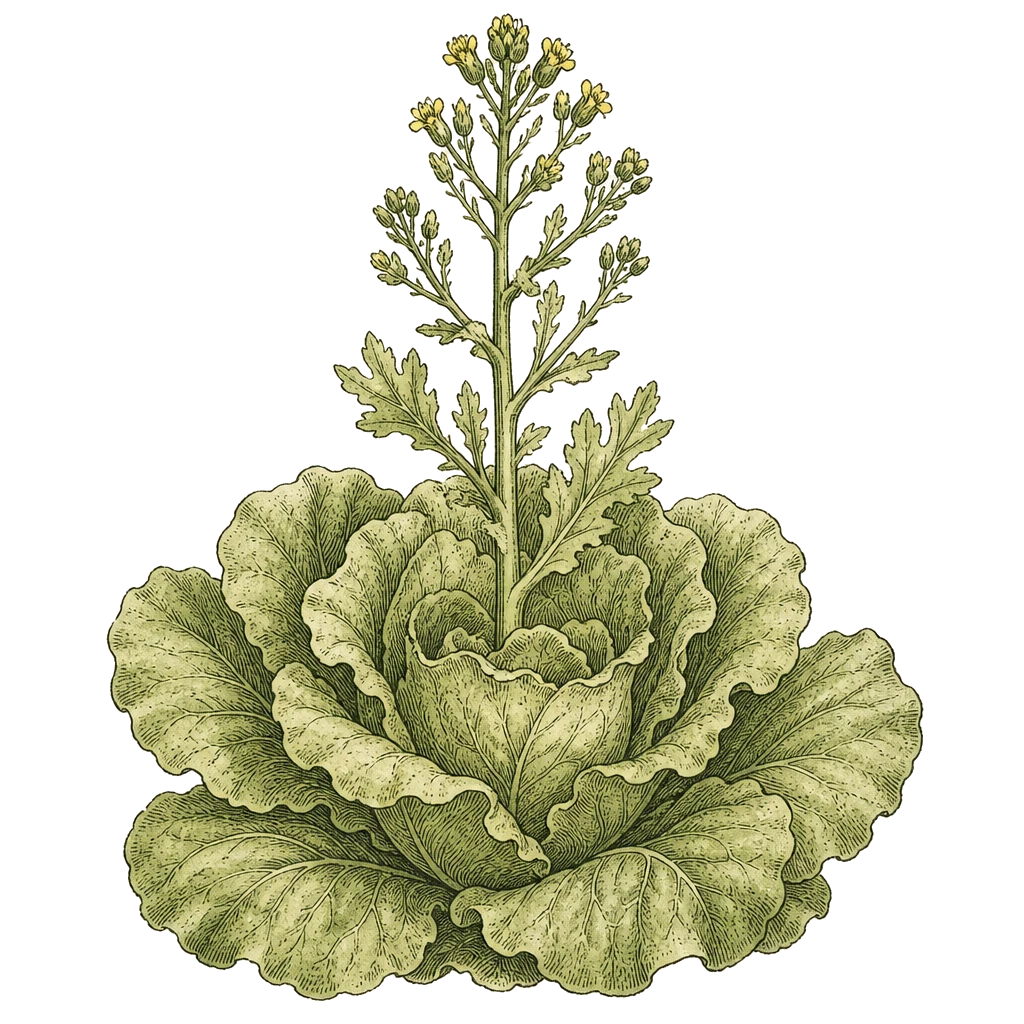
Once a lettuce or spinach plant sends up a flower stalk, there’s no reversing it: the leaves turn bitter, growth shifts to seed, and the plant is finished as a crop. So bolting is something you delay and plan around, not cure. The levers that work are bolt-resistant varieties, steady soil moisture, shade during heat spells, and timing the planting so the crop matures before high summer. When you spot the center starting to stretch upward, harvest the whole plant and use it before the bitterness sets in.
What’s actually happening
Lettuce, spinach, and most leafy greens are cool-season, long-day plants. As days lengthen and temperatures climb, an internal switch flips them from making leaves to making seed, and in lettuce and spinach the same shift turns on the compounds that make bolted leaves taste bitter. The greens are still safe to eat at that point, just unpleasant, so this is a flavor and quality problem rather than a safety one.
Heat and day length work together; neither one acts alone. Oklahoma State describes spinach bolting as starting when temperatures sit between 57 and 68°F and days run 12 hours or longer, with daytime heat rising on top. A cold snap can prime some greens to bolt too. Michigan State notes that lettuce, chicory, and endive can be nudged toward flowering by a cool spell of 35 to 41°F over two to eight weeks, then bolt in earnest once July’s long days and warm nights arrive, while temperatures above 68°F reverse that priming (devernalization). You can’t change your day length, so prevention is about managing the levers you control.
That’s also why “just water it more” doesn’t stop a bolt already underway. Consistent moisture helps delay it, but it won’t override the day-length-and-heat signal once the plant has committed.
What to do
If a stalk is already rising, cut the whole plant at the base now and use the leaves within a day or two, since every day it stands builds more of the bitter compounds. Once that plant is gone, the steps below are for your next sowing.
Start with variety, because it’s the single biggest lever. Seed packets flag slow-bolt or bolt-resistant types, and for pushing spinach past its normal spring window a variety bred to hold, like Correnta, buys real time over a standard one. Then time the crop to finish in cool weather. These greens grow best in the 65 to 75°F range, per Oklahoma State, so plant into cool spring soil while it’s still cold and again in late summer for fall, and sow a fresh short row every two weeks rather than one big planting, so a bolt in one batch doesn’t end your supply.
Soil moisture is the second lever. Irregular wet-then-dry cycles are a stress that speeds bolting, so a setup that waters steadily beats one that swings, and this is the same consistent-moisture habit that keeps greens tender in the first place. Mulch with a couple of inches of straw or another organic material to hold that moisture and pull the soil temperature down. Skip black plastic mulch on cool-season greens, though: Penn State is direct that it cooks the soil and does the opposite of what you want here.
When a heat wave is coming, 30% shade cloth lowers the temperature enough to slow bolting and comes off again when the weather breaks. If you log your lettuce and spinach sowings in Arbor, it nudges you to harvest ahead of the bolt as your forecast climbs into the 70s rather than after, when the leaves have already turned.
Once summer wins anyway, switch crops rather than fight it. Swiss chard, New Zealand spinach, and Malabar spinach hold through the warm months when true spinach and lettuce won’t; seed them as soon as you pull the bolted plants.
Zone and season notes
In cold and short-season zones, spring and fall are your two windows, and the spring one is the trap: a crop sown in cool soil can bolt as the days stretch toward summer, so favor bolt-resistant varieties for spring and save the standard, better-flavored ones for the fall planting. In warm-winter zones (9–11), the productive lettuce and spinach season runs fall through early spring, and pushing these crops into summer heat is the losing battle; succession-sow into cool soil across the cool months and hand the summer beds over to the heat-tolerant substitutes instead.
When to worry and when not to
A few hot afternoons mid-season won’t necessarily bolt a bolt-resistant variety that’s well watered, so watch rather than react. The moment to act is when the center of the plant starts to elongate or a stalk pushes up through the rosette: that’s irreversible, and the leaves are already on the clock. In warm weather they turn noticeably more bitter within a few days, so cut the whole plant within a day or two of spotting the stretch rather than waiting. Sautéing with garlic or dropping the leaves into a soup tames that bitterness better than eating them raw. Aphids often crowd onto stressed and bolting greens as well, so a plant that’s flowering is worth a quick check of the undersides for aphids before you pull it.
Sources
- Oklahoma State University Extension — Cool Season Greens Production (Spinach, Collard, Kale, Mustard, Turnip, Leaf Lettuce)
- Oregon State University Extension — Tired of bolting spinach? Plant while soil is cool
- Michigan State University Extension — Bolting in spring vegetables
- Penn State Extension — Heat-Proofing Your Vegetable Garden
- University of Vermont Extension Master Gardener — Recommended shade cloth for lettuce