
How to Grow Lettuce
Lettuce grows best when daytime temperatures stay between 55–65°F and nights drop near 50°F. Above 75°F most varieties begin forming a flower stalk and the leaves turn bitter — that window is the whole game. Get your timing right, water every 2–3 days to keep the shallow roots moist, and a looseleaf crop reaches harvest in about 45 days from transplant.
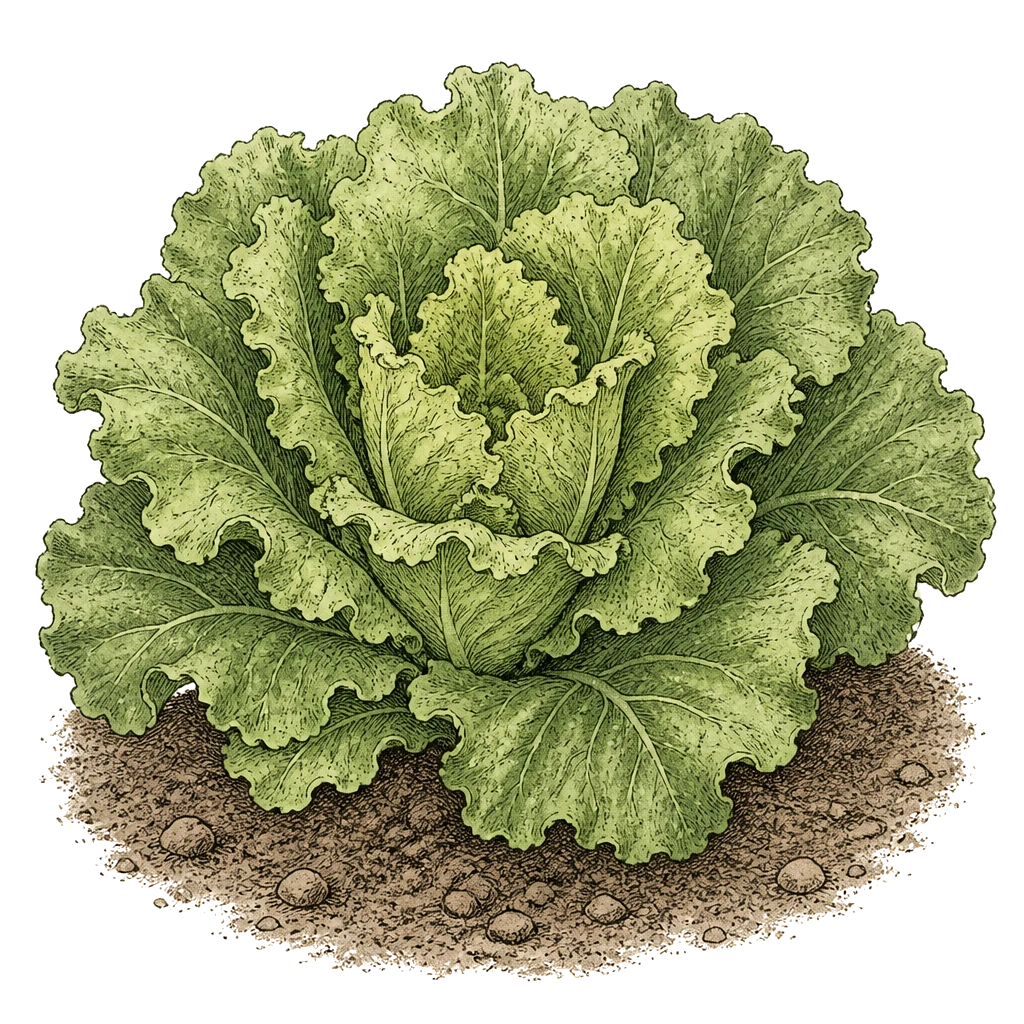
How it works
Lettuce is a cool-season crop whose quality is temperature-driven above everything else. Above 75°F most varieties start bolting (shifting energy into a flower stalk) which leaves the foliage elongated and bitter. Long days and high light intensity push the same response alongside heat, so a late spring sowing runs out of season sooner than the thermometer alone suggests.
Bolting is a timing problem, not a care failure. The fix is sowing early enough in spring to complete the crop before heat arrives, then starting a second planting in midsummer for fall harvest. Looseleaf types like Slobolt and Red Sails tolerate brief 80–85°F daytime highs better than head types, especially when nights stay cool and soil moisture is consistent. Iceberg needs the longest uninterrupted cool window and is the least forgiving in warm climates.
Brown, crisping leaf edges get blamed on a calcium shortage in the soil. The disorder is tipburn, and calcium is genuinely the mechanism; what triggers it is water availability and growth rate. When soil dries out, calcium can’t move through the plant fast enough to keep up with new leaves. Adding calcium to the soil rarely fixes it; consistent moisture does.
What to do
Sowing and spacing
Looseleaf lettuce (Black Seeded Simpson, Red Sails, Salad Bowl) matures fastest and lets you harvest individual leaves over several weeks without pulling the plant. Butterhead (Buttercrunch, Bibb) takes slightly longer and forms soft, loose heads. Romaine needs 8 inches of space and is ready to harvest when the base reaches about 6–8 inches tall. Iceberg requires 12–15 inches between plants and needs the longest cool stretch — 55 or more days without serious heat. For hot climates or short springs, start with looseleaf.
Four to six hours of sun a day still makes a crop, and more is better through the cool weeks of spring and fall. Save the afternoon shade for heat-season plantings. Direct sow seeds 1/4 to 1/2 inch deep, roughly 1 inch apart in rows 12–18 inches apart, about 2 to 4 weeks before your last frost date as lettuce can tolerate light frost down to 28°F. For transplants, start seed indoors 5 to 6 weeks before the date you plan to set plants out, then move them outside around 4 weeks before last frost. Transplants reach harvest 2–3 weeks earlier than direct-seeded plants of the same variety.
Seeds germinate best at 55–65°F soil temperature, and germination drops sharply above 80°F. That ceiling is the real obstacle to a fall crop, because the sowing date usually lands while the soil is still warm. Start fall seed indoors and set out transplants rather than sowing into hot ground, timing the set-out 50–75 days before your first expected fall frost. University of Minnesota Extension, one of the university-run services that answer home-garden questions, recommends starting seed indoors in July for August transplanting in northern climates.
Once seedlings reach 1–2 inches tall, thin looseleaf and butterhead to 8 inches apart. Iceberg needs 12 inches minimum. Thin progressively by pulling every other plant as baby-leaf harvests.
Watering and feeding
Water every 2 to 3 days. Lettuce roots sit in the top 6–12 inches of soil, and frequent light watering prevents both tipburn and bolting more reliably than less frequent deep soaking. Aim for at least 1 inch a week spread across those waterings, which works out to roughly a third of an inch each time. Utah State Extension puts the target at 1–2 inches a week in drier or hotter conditions, so scale each watering up to match. Above 80°F, tighten the interval to about every other day, sooner than that in sandy beds. Water in the morning so foliage dries before evening, and use drip over overhead sprinklers to reduce disease splash.
Arbor’s watering schedule for lettuce defaults to every 2–3 days off your forecast, and shortens automatically when temperatures climb above 80°F.
Work a balanced fertilizer into the bed before planting, along with compost: about a pound of 5-10-10 across a 4×8 bed, or 3 pounds per 100 square feet. The 5-10-10 gives the percentages of nitrogen, phosphorus and potassium in the bag, and nitrogen is the one that drives leaf growth. At thinning, or once plants reach 4 inches tall, side-dress (scatter fertilizer alongside the row, a few inches out from the stems) with 1/4 cup of a nitrogen fertilizer, 21-0-0, per 10-foot row. Heavy nitrogen worsens tipburn and reduces head quality in iceberg.
Extending the season and harvesting
In warm weather, afternoon shade from taller crops — tomatoes, broccoli, Brussels sprouts — delays bolting. Floating row covers, the lightweight spun fabric sold at garden centers, add about 4°F on a frosty night, enough to keep a light frost off young plants. That protection holds down to about 28°F; a colder night needs a cold frame or a hoop house. Row covers also keep flea beetles off seedlings in early spring.
Harvest before the plant bolts. Begin harvesting outer looseleaf leaves when plants reach 5–6 inches tall, or cut the whole plant at soil level as it regrows in 2–3 weeks with consistent water. For head types: pick iceberg when the head is compact and firm, butterhead when leaves cup inward, romaine when the base reaches 4 inches wide and 6–8 inches tall. The moment the center begins elongating on any type, harvest immediately. That stalk will not revert.
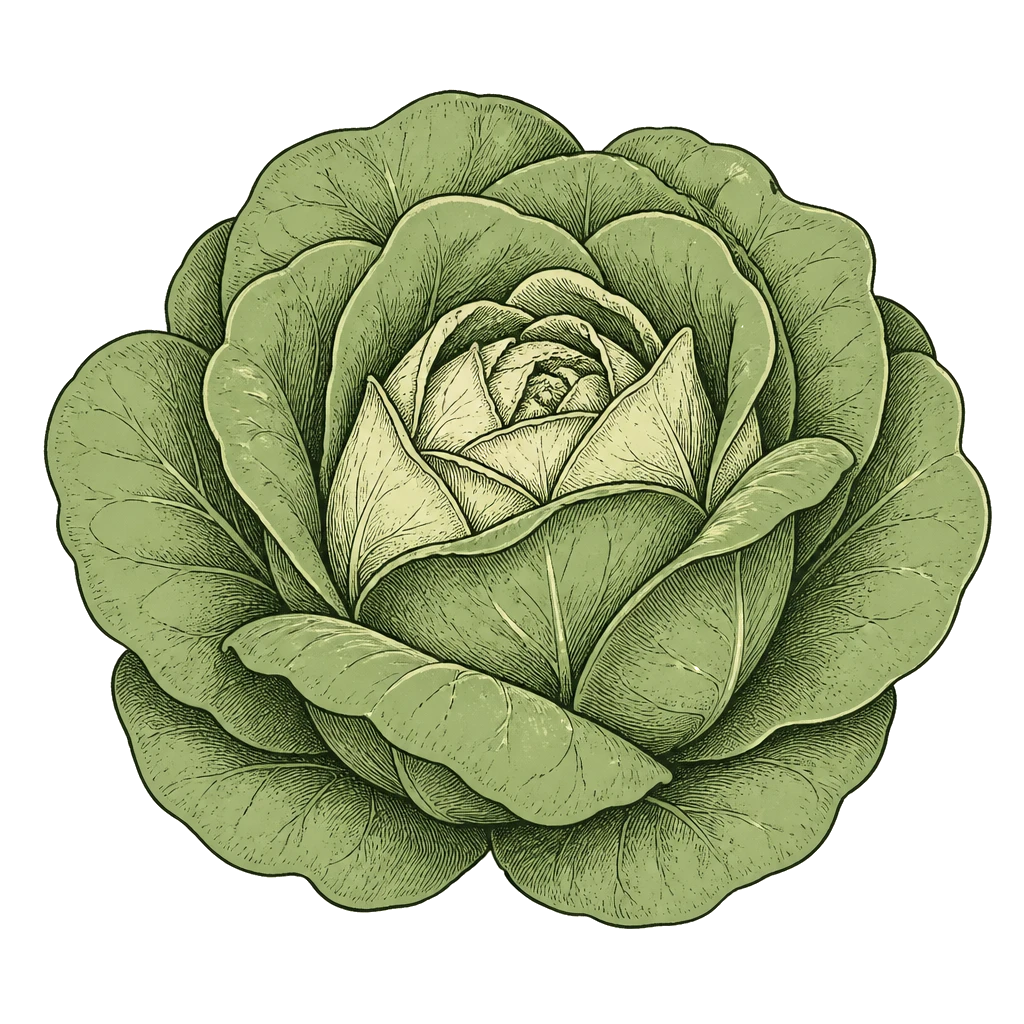
A single sowing peaks and declines within a few weeks. Stagger plantings every 10–14 days through spring, then again in late summer for fall, and the supply stays continuous without gluts.
Zone and season notes
Northern tier (zones 3–4). Direct seed as soon as soil is workable in April. For fall, start seeds indoors in July and transplant in August. Looseleaf and early butterhead are the practical choices when frost cuts the season short.
Mountain West and high desert (zones 5–7). Plan on 1–2 inches of water per week as dry Western air pulls moisture faster than humid climates, and bolting thresholds arrive quickly when irrigation lapses. Start fall planting 50–75 days before your first expected fall frost.
Mid-Atlantic (zones 6–7). University of Maryland Extension recommends planting cold-hardy varieties like Winter Density, Brune D’Hiver, and Arctic King around October 15 for overwintering under row covers.
Southeast and Gulf Coast (zones 7–9). In the South Carolina coastal plain the spring window runs February 1 through April 15, about a month later in the piedmont. Fall is often the better season: the window runs September through November, and cooler weather produces noticeably sweeter leaves. In humid conditions, prefer drip over overhead watering and space plants at the wider end of the range to improve airflow and reduce fungal pressure.
Mild-winter climates (zones 9–11, California and similar). Fall and winter are the primary lettuce season. Afternoon shade extends the spring window a few weeks; looseleaf heat-tolerant varieties like Slobolt and Nevada are the standard tools once daytime highs regularly reach 70°F.
All regions. Stop direct sowing 50–60 days before the expected onset of sustained heat. For fall, looseleaf needs at least 45 days from planting to harvest; head types need 60–80 days.