
How to Grow Winter Squash
Pick your variety before you plan anything else. Acorn squash matures in 80–100 days; butternut runs 85–110; delicata needs 95–110; spaghetti squash 88–100; hubbard types can push 120 days. In a zone with 130 frost-free days, a 110-day butternut has room to finish. In a zone with 100 frost-free days, it doesn’t — and no amount of good gardening recovers those lost days at the end of the season.
How it works
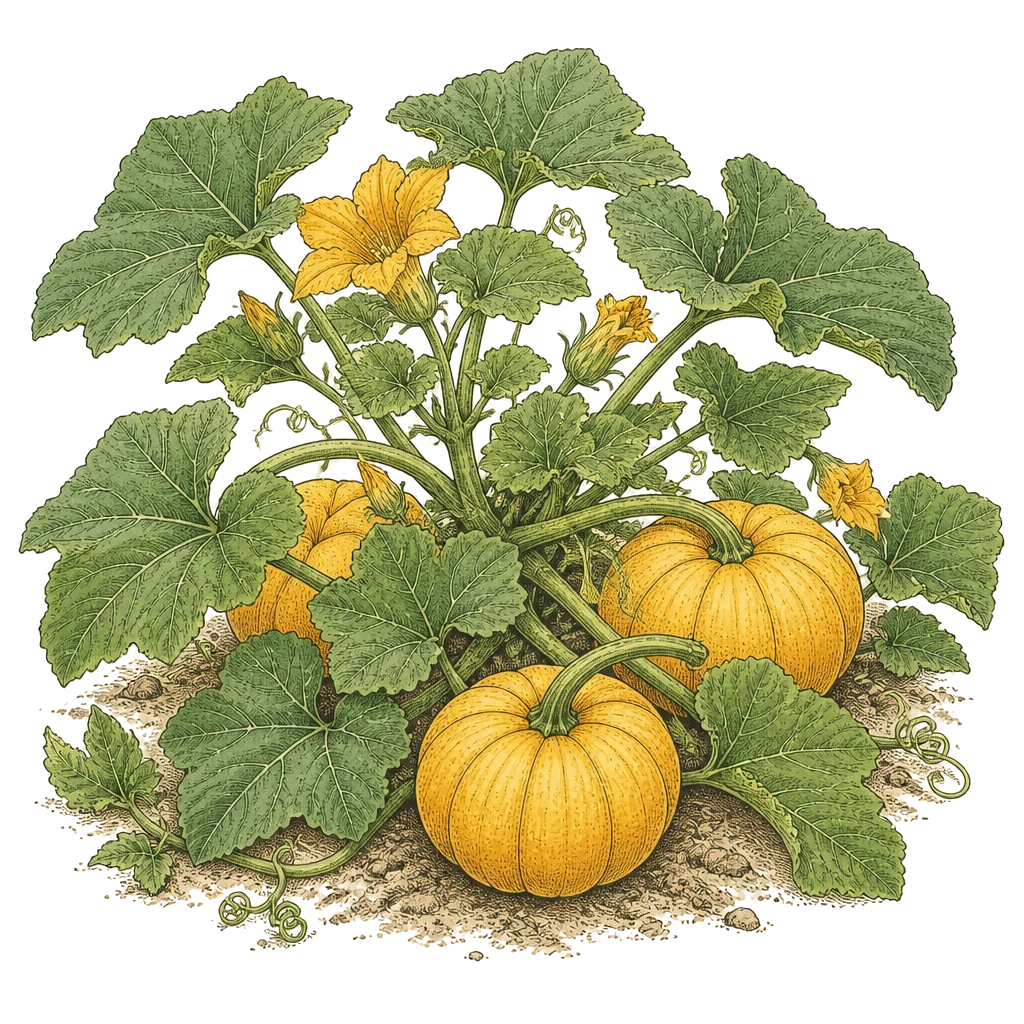
Winter squash is a warm-season crop with the longest days-to-maturity in the home garden — 80 to 120 days — and vines need full sun and the full season to build the thick, cured skin that gives it its storage life. That curing step is what separates winter squash from summer squash like zucchini: the skin hardens on the vine and finishes curing after harvest, converting starch to sugar and sealing any small cuts.
One myth worth correcting: cross-pollinating different squash varieties in the same garden will not ruin this year’s fruit. Cross-pollination affects only saved seeds — the fruit itself looks, tastes, and stores exactly as expected.
What to do
Planting. Winter squash is frost-sensitive and cannot go out until all danger of frost has passed and soil has reached at least 60°F. In short-season gardens, start seeds indoors in 3-inch pots 3–4 weeks before your anticipated outdoor planting date; transplant when soil reaches 65°F. For gardens with an adequate warm season, direct sow 2–3 seeds per hill at 1-inch depth — see direct sowing technique for bed prep. Space hills 6 feet apart to give vines room to spread. In short-season zones, black plastic mulch and row covers allow planting 2–3 weeks earlier than standard timing.
Pollination. Squash produces separate male and female flowers on the same plant. Male flowers appear first — they have a single anther and grow on a long, slender stem with no swollen base. Female flowers arrive 1–2 weeks later; the miniature proto-fruit at the base of the flower is unmistakable. Bees transfer pollen between them. When cold or rainy weather reduces bee activity, hand-pollinate in the morning while flowers are open: dab pollen from a male anther onto the female flower’s stigma with a small paintbrush or the male flower itself. One male pollinates 2–3 females.
Watering and feeding. Aim for 1–2 inches of water per week at the base of plants, increasing during fruit set when soil must stay consistently moist — dry spells at that stage cause blossom drop and can crack developing fruit. Avoid wetting foliage. Incorporate 4–5 inches of compost 8–10 inches deep before planting. Mulch around plants with 2–4 inches of straw. Place a piece of straw or tile under each developing fruit to keep it off the soil and prevent rot at the contact point. As fruits approach maturity, reduce irrigation — slightly drier conditions help the skin harden.
Squash vine borer. This pest is the main threat from late June through mid-July east of the Rockies. The clearwing moth lays flat brown eggs at the base of squash stems; larvae bore in and feed internally, and once inside, sprays are ineffective. Row covers before flowering exclude the moths. For gardens where covers aren’t practical, spinosad or pyrethrin applied to the stem base every 3–5 days for 4–5 weeks before expected hatch provides organic control. Butternut squash (Cucurbita moschata) has harder stems and is significantly less susceptible to vine borers than acorn or zucchini (C. pepo types) — butternut is worth planting specifically in high-pressure regions. See squash bugs for the other common cucurbit pest.
Powdery mildew. White powdery patches on leaf surfaces are common in late summer, especially on acorn and spaghetti squash (C. pepo types). Powdery mildew slows the plant but rarely ruins fruit that has already sized up. Untangle dense vines to improve air circulation; remove and discard the most heavily infected leaves. Potassium bicarbonate (4 tsp per 2 gallons of water, on a 7–10 day interval) slows spread if applied before infection becomes heavy. Avoid sulfur-based sprays above 90°F.
Removing late fruit. When vines carry more young fruit than can mature before frost, cut off the smallest ones to channel energy into those that can finish.
Harvest and storage
Two indicators confirm that winter squash is ready: stem corking and the thumbnail test. The stem loses its green color and develops brown, woody striping where it attaches to the fruit — Iowa State Extension calls this the most reliable signal. A thumbnail pressed firmly into the skin should meet firm resistance; skin that dents means more time is needed.
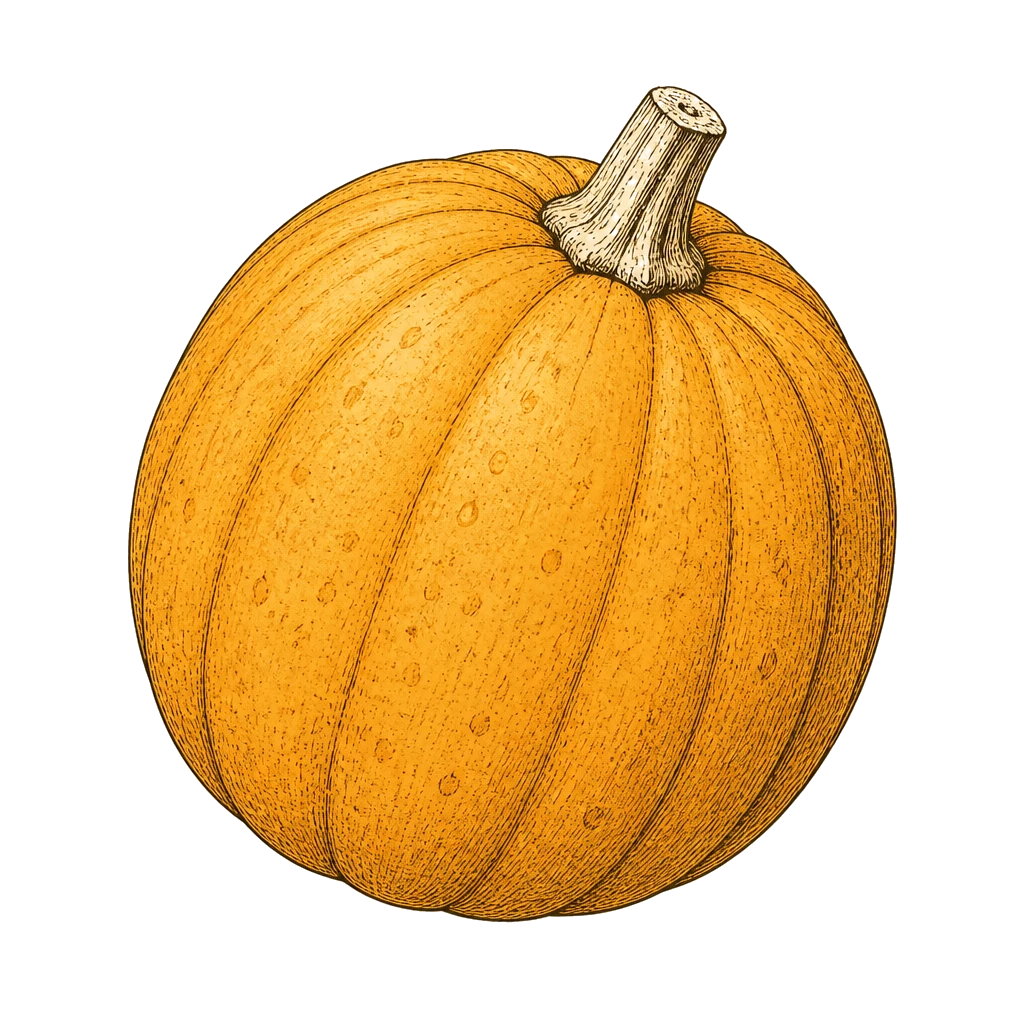
Cut with 2 inches of stem attached and harvest before the first hard frost below 33°F. Then cure — but not everything needs curing. Butternut, hubbard, and other thick-skinned types cure at 80–85°F with 80–85% relative humidity for 10–14 days — curing hardens the skin, heals cuts, and converts starch to sugar. A warm greenhouse, a protected outdoor spot, or a garage with a pan of water nearby works; if maintaining high humidity is impractical, move directly to cool storage. Acorn squash, delicata, and sweet dumpling are the critical exceptions: do not cure them. High-temperature curing reduces quality and shortens storage life for thin-skinned types. They go directly to cool storage.
Store cured winter squash at 50–55°F with 50–70% humidity — below 50°F causes chilling injury, and above 60°F accelerates respiration and weight loss. Storage life varies considerably by type: acorn holds 5–8 weeks; butternut 2–3 months; hubbard can last 5–6 months. When you log winter squash in Arbor and enter the variety, it calculates the harvest window from your planting date and prompts you when the days-to-maturity range arrives so you can start monitoring.
Zone and season notes
Zones 3–5. The short growing window favors acorn (80 days) over standard butternut (100–110 days). Start seeds indoors and use black plastic mulch and row covers to extend the warm period. Hubbard types at 120 days rarely fit the available window.
Zones 6–7. Direct sow is reliable for butternut once soil warms. The 150–180 frost-free days leave comfortable margin for 100-day varieties. Squash vine borer pressure is substantial in most of this range; butternut’s harder stems are worth the varietal choice if borers have been a problem.
Zones 8–10. Summer heat in the South makes a spring crop impractical for most of these zones — squash set during 95°F+ temperatures does poorly. A late-summer planting (late August or September in the Florida climate) that matures in fall works better. Acorn and butternut both perform well with this timing.
Sources
- University of Maryland Extension — Growing Winter Squash in a Home Garden
- Iowa State University Extension — What is the proper way to harvest and store winter squash?
- University of New Hampshire Extension — Managing Squash Vine Borer Problems in New Hampshire
- UF/IFAS EDIS — Hand Pollination of Squash and Corn in Small Gardens (HS1149)
- Texas A&M AgriLife Extension — Hand Pollinating Squash
- Illinois Extension — Winter Squash
- South Dakota State University Extension — Time To Harvest Those Winter Squash
- Oregon State University Extension — Storing Pumpkin and Winter Squash at Home (EC-1632)
- Clemson HGIC — Powdery Mildew
- University of Minnesota Extension — Growing Pumpkins and Winter Squash in Home Gardens